
Description
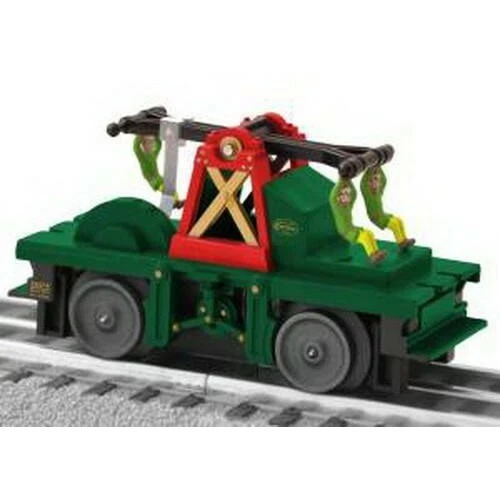
Lionel North Pole Central Elf Handcar 6-28474. A collectible Lionel Christmas Trains item from Lionel. If you are looking for lionel north pole central elf handcar, this is the one to grab while it is still available. Full details and specifications from the original listing follow below.
Lionel North Pole Central Elf Handcar 6-28474: Product Details
Lionel North Pole Central Elf Handcar 6-28474
Features
Swinging elf figures
Powerful maintenance-free motor
Traction tires
Gauge: Traditional O Gauge
Dimensions: Length: 4 Inches
RailLine: North Pole Central
Most Recent Catalog
A Christmas Tradition 2011
About Lionel Christmas Trains
Shop Lionel Christmas Trains: collectible lionel christmas trains for sale, including Lionel North Pole Central Elf Handcar 6-28474, Lionel 2003 CHRISTMAS HOLIDAY BOXCAR 6-36253. New and factory-sealed finds, fair prices, and fast shipping.
About Lionel
Lionel model trains: O gauge boxcars, reefer cars, Christmas trains and accessories from America's classic train maker, including Disney and collector editions.
Christmas trains are one of Lionel’s oldest traditions, reaching back to the department store window displays that made electric trains a holiday fixture in America. Lionel’s holiday output grew into a collecting field of its own: annual Christmas boxcars dated by year, holiday handcars and trolleys, and the North Pole Central line created as Lionel’s dedicated Christmas railroad, complete with its own road name, colours and crews of elves. A dated Christmas car works like a marker in a collection, one car for each year, and families who run a train around the tree often add the car for the current year as part of the season. Animated and operating holiday pieces, like handcars with swinging figures, bring motion to a holiday layout that a static decoration cannot, and they are built on the same O gauge mechanisms as Lionel’s year-round operating cars. Because holiday releases were produced for a single season, earlier cars in a dated series become progressively harder to find, and collectors completing a run of years are the natural audience for an individual car from the early seasons of a series.
Layout accessories are what turn a loop of track into a place. Lionel’s O gauge accessories include passenger stations, bridges and animated scenes, scaled to stand beside the trains and detailed with the signs, structures and figures of the railroad world the trains run through. A passenger station anchors a town scene and gives passenger trains a reason to stop; a girder bridge carries the line over a road, a river or a lower track and adds the vertical variety that makes a layout photograph well; an animated accessory adds figures and motion, working off track power through a switch so the scene comes alive when the trains run. The dimensions in the specifications above are the numbers layout builders plan with, because an accessory has to fit the available space between tracks and buildings. Accessories from Lionel’s catalogs of the 2000s follow the company’s classic postwar design language, the look of the celebrated accessories of the 1950s updated in new colours and road names, which is why a Metro-North station or a New York Central bridge can sit comfortably on a layout built around either modern or classic era trains.
This is an O gauge Lionel product, built for the three-rail track system that has defined Lionel trains since the middle of the last century. Traditional O gauge cars run on O-27 curves and wider, and the specifications in the listing above, including the minimum curve and the car’s length, are the measurements layout builders use to confirm a car will clear their curves and match the proportions of the rest of a consist. Lionel freight cars of this period are known for their die-cast metal sprung trucks, which put real weight low in the car and help it track steadily, and for operating couplers that let the car connect and release within a working train rather than sitting as a static model. Opening doors on boxcars and reefers are another Lionel signature, letting the car be posed in a yard or loading scene. The catalog references in the listing place the car in Lionel’s Classic Trains era output of the early 2000s, a period when the company leaned heavily into licensed themes, colourful special-run freight cars and collector oriented releases alongside its traditional road name equipment.


Reviews
There are no reviews yet.